Mag. Dr. Michaela Kronberger
- Function 1
- Head, Department of Collections (Objects), Head of museum storage facilities
- Function 2
- Archaeology and Urban Life before 1500, Guilds and Numismatics (interim)
The Wien Museum is home to a broad range of objects and images related to the day-to-day, cultural, economic, and social history of Vienna since 1500. These cover many aspects of urban life: migration, work, leisure, housing, the home, transport, consumption, nutrition, gastronomy, physical culture, sport, health, hygiene, social welfare, customs, and family life.
One focus of the collection is the evolution of professions and the guild system between the 18th and the early 20th centuries. The porcelain figures, prints, watercolors, and photographs from the "Kaufrufe" (Market Cries) series as well as the "Wiener Typen" (Viennese Types), and "Wiener Szenen" (Viennese Scenes) stand out in particular. Highlights from this collection related to guilds include signs, objects such as chests and flags, and richly decorated certificates of journeymen and apprentices.
As a complement to the Furniture Collection of the Art Department, which concentrates on the lifestyle of Vienna’s bourgeoisie in the 19th century, the "History and City Life" collection also documents the lives of wider sections of the population, with a focus on the 20th century. The most prominent objects include items of furniture from the “Soziale Wohnkultur” (Social Living) campaign (1954-76), which was intended to enable as many Viennese as possible to enjoy a "modern lifestyle".
The history of consumerism in Vienna can be explored in the museum thanks to objects from markets, department stores, shops, and industrial businesses, including shop signs from the 18th and 19th centuries, the entire interior of a fin-de-siècle hairdressers ("Marko"), and 20th century advertising material. Historical menus, images of restaurants, and everyday items related to eating and cooking offer insights into the history of nutrition and gastronomy.
Items involving leisure, sports, and entertainment range from pictorial documents related to the early days of cycling and Vienna’s public baths to, a collection of over 2,000 giveaways from Viennese balls stretching back into the 19th century, to merchandise from the "Euro 2008" soccer tournament.
In addition to items that illustrate specific aspects of city life, the Wien Museum also collects objects that bear images of Vienna or illustrate clichés about the city — from a 1950s face powder compact with pictures of Vienna landmarks to pot holders with a printed recipe for Wiener schnitzel (21st century).
The collection is permanently growing through the addition of objects related to current city-life phenomena, with the people of Vienna also being invited to contribute items to specific calls for collection, such as "Corona in Vienna" (2020).
Special attention is also being paid to the expansion of the collection of items that tell the story of migration in the city from the perspective of people who immigrated to Vienna. Important additions in this area include the objects that were gathered as part of the project "Migration Sammeln" (Collecting Migration, 2015/16) or that tell of the experiences of "guest workers" who arrived from Turkey and former Yugoslavia from the 1960s onwards.
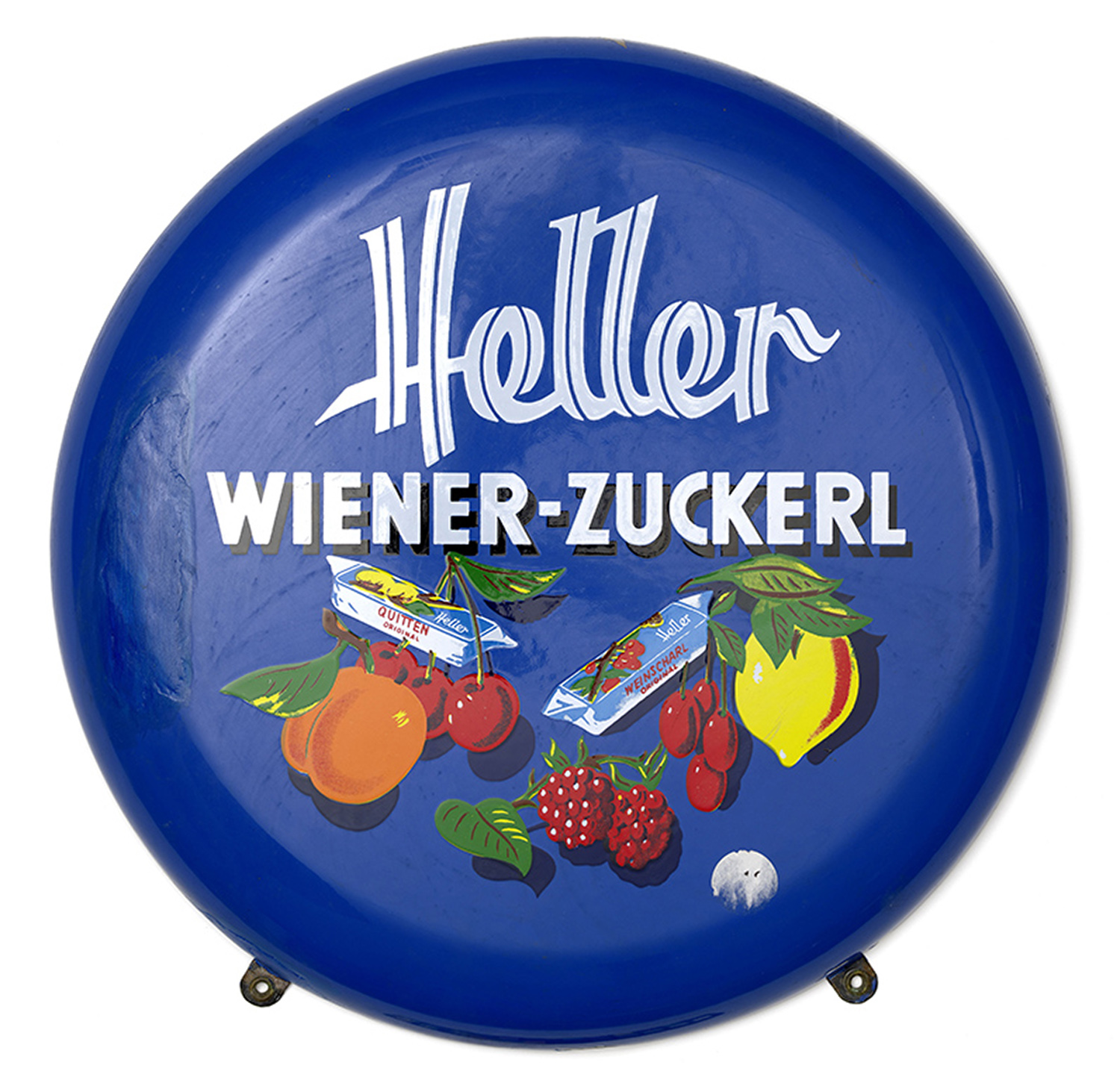
Advertising sign, 1950s
| Photo: Birgit and Peter Kainz, Wien Museum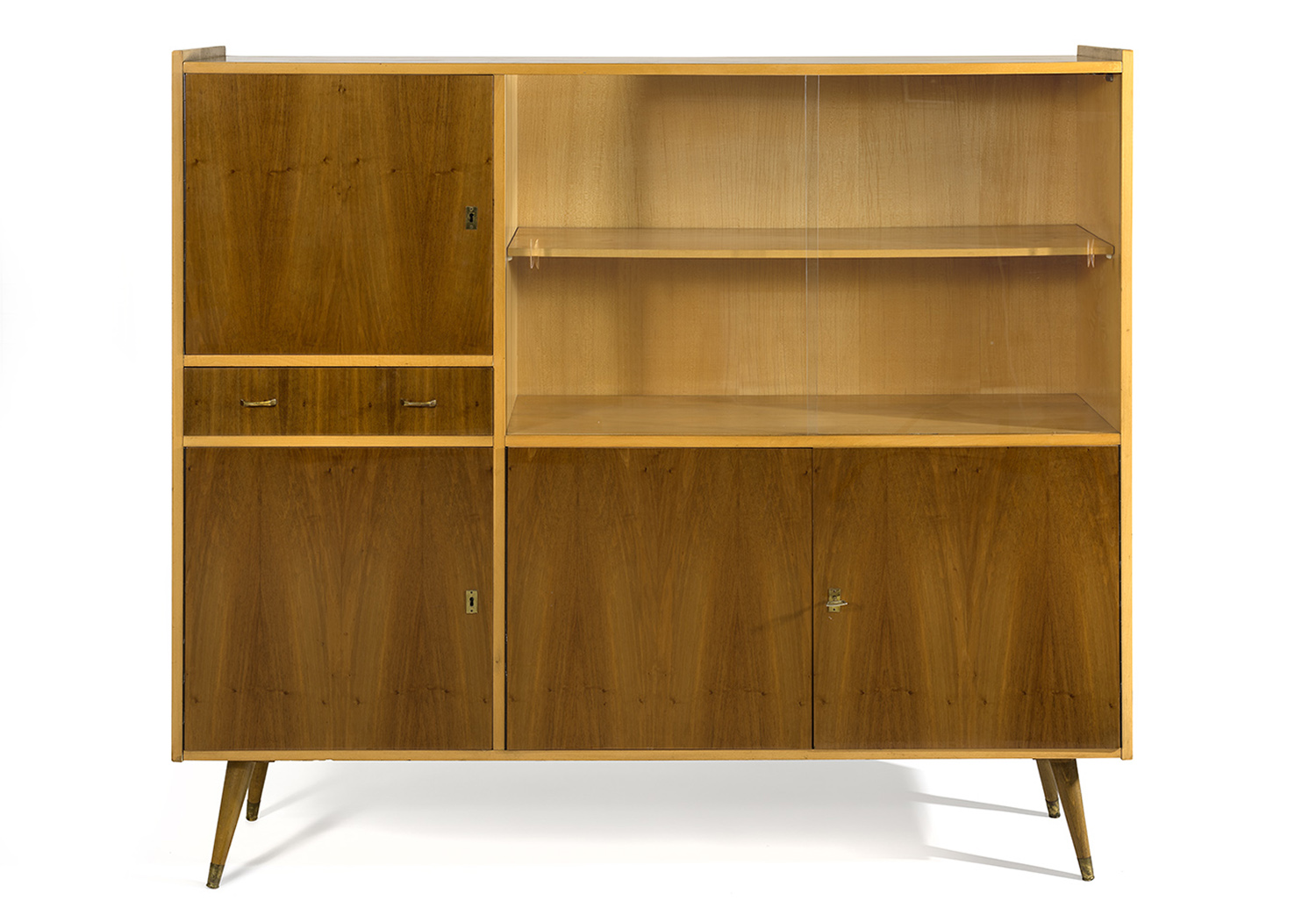
Display cabinet (SW furniture), around 1960
| Photo: Birgit and Peter Kainz, Wien Museum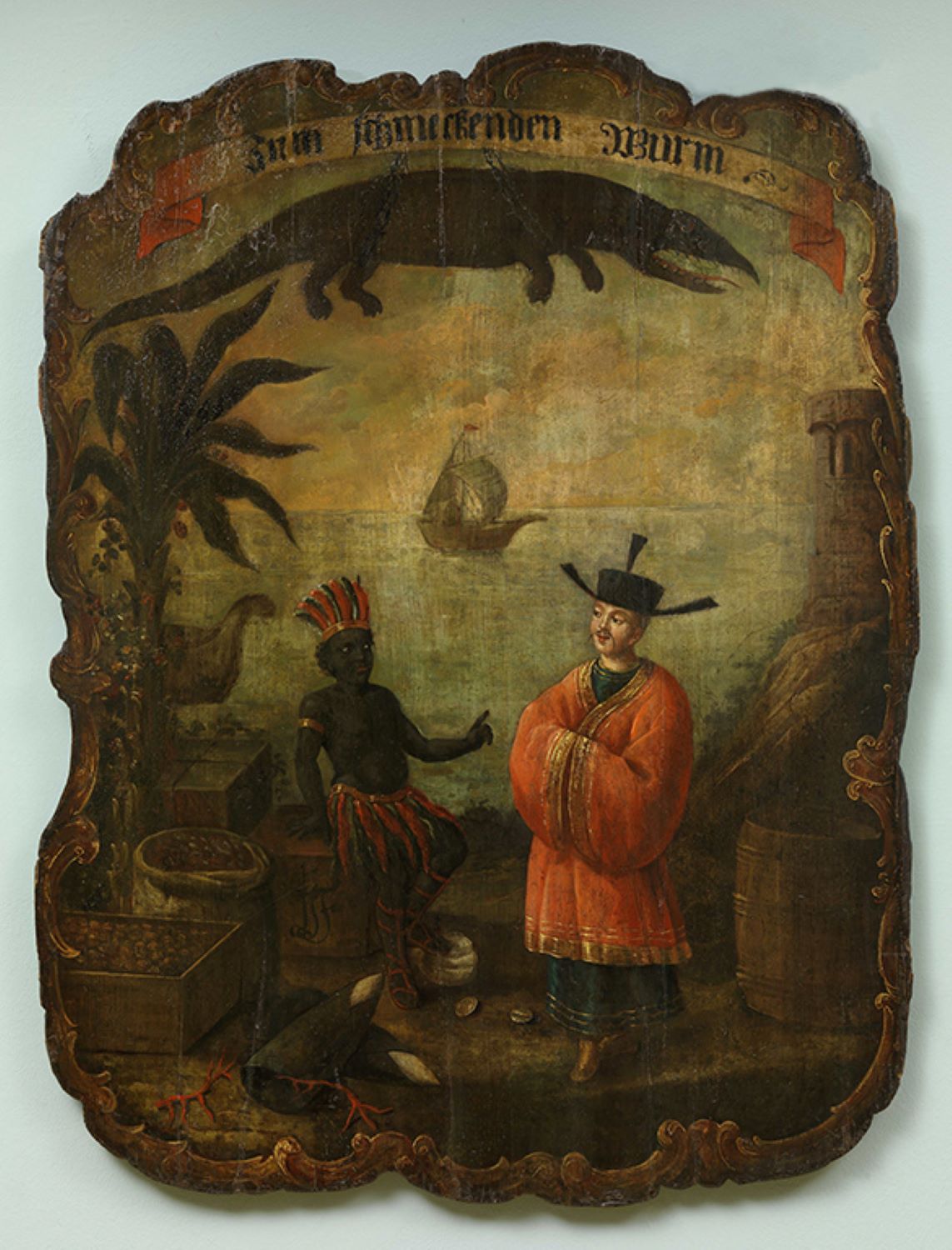
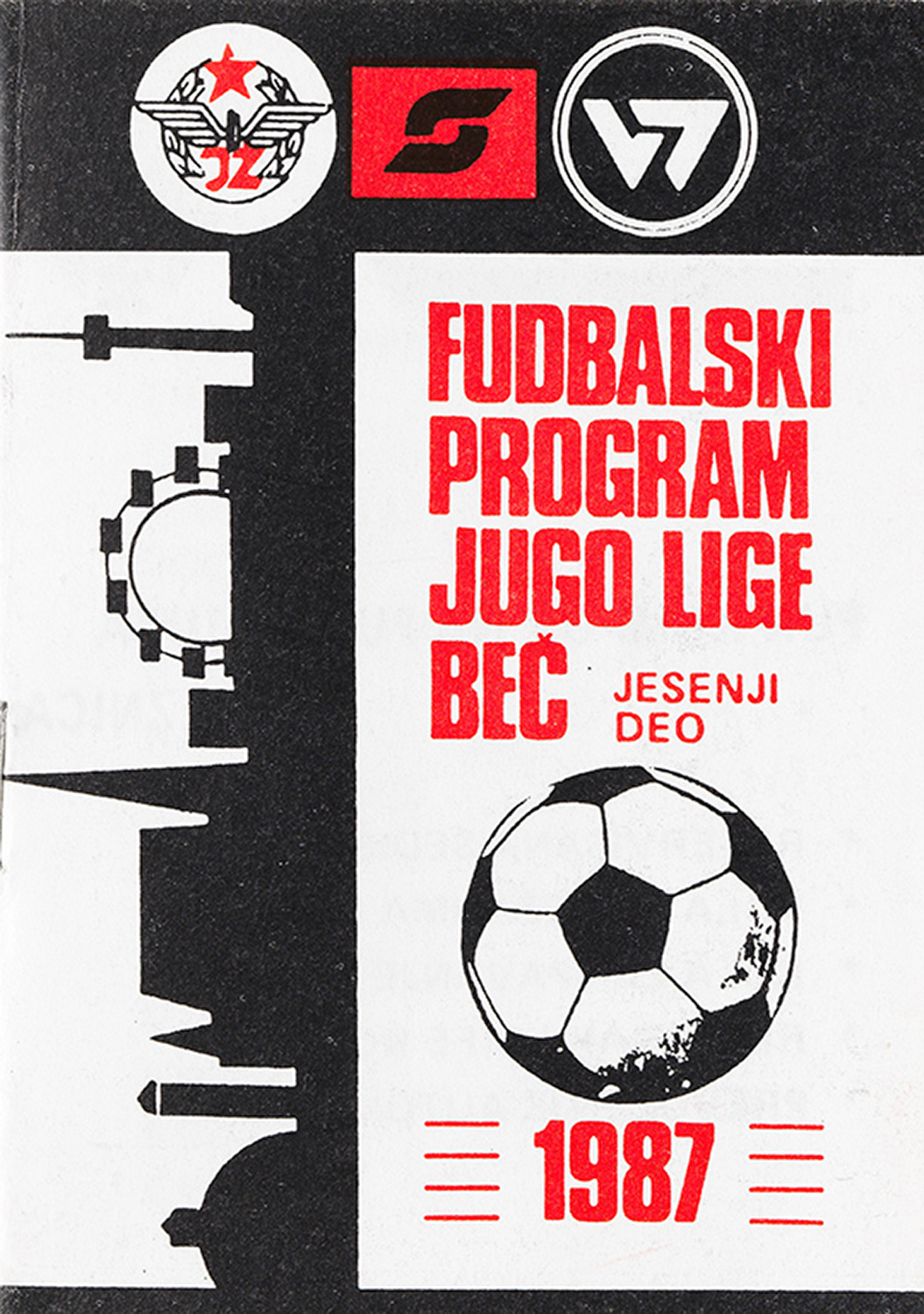
Soccer schedule of the "Jugo League", 1987
| Photo: Birgit and Peter Kainz, Wien Museum