Dr. Andreas Nierhaus
- Function 1
- Architecture and Sculpture
The Wien Museum's sculpture collection contains around 4,500 objects from the Middle Ages to the present. The oldest and most important items include a number of life-size stone portraits of royal figures from St. Stephen’s Cathedral, Duke Rudolf IV — Rudolf the Stifter — and his family (ca. 1365), and a group featuring Mary and the Three Wise Men (ca. 1380/90).
Another highlight of the collection include the original figures from the fountain at Mehlmarkt (now Neuer Markt) that were sculpted by Georg Raphael Donner between 1737 and 1739. Viennese Classicism is represented by work from all the key sculptors, including Franz Anton Zauner and Josef Klieber. A masterpiece of the international sculpture of that time, which was highly appreciated in Vienna, is Bertel Thorvaldsen’s “Siegreicher Amor” (Cupid Triumphant), which was created for Prince Nikolaus Esterházy between 1819 and 1821.
A core part of the sculpture collection dates from the second half of the 19th century. None of the monumental buildings on Vienna’s Ringstraße was built without an extensive sculpture program — including the New City Hall, which was of particular importance as a symbol of municipal autonomy vis-à-vis the state and the imperial house. Works were commissioned from leading sculptors such as Johannes Benk, Josef Gasser, Carl Kundmann, and Viktor Tilgner. The plaster models of their sculptures can be found in the collection of the Wien Museum. Moreover, there are also many designs for monuments and fountains throughout the city. Fin-de siècle sculpture is represented by key works from Teresa Feodorowna Ries.
The work of Anton Hanak and his most famous pupil, Fritz Wotruba, serve as a highlight of 20th century Viennese sculpture. The Wien Museum houses work by both of these pioneers of modern sculpture in Austria as well as by many important pupils of Wotruba, including Alfred Hrdlicka, Andreas Urteil, and Roland Goeschl. Gerda Fassl is represented in the collection by a significant series of works, while pieces by Katharina Heinrich, Ulrike Johannsen, and Lieselott Beschorner depict so-called "soft sculpture". All of Beschorner’s main works can be found in the museum.
Almost all the key sculptural items in the areas of object art and new media — from Sepp Auer to Leo Zogmayer — are also represented by major works. A focus on objects associated with the "feminist avant-garde" is exemplified by important works from Renate Bertlmann and Margot Pilz. Contemporary art’s broader understanding of the notion of sculpture is embodied by, amongst other items, the group of works "Ein weiterer Versuch über einen Raum für ‚Western’" (A Further Attempt at a Room for ‘Western’) by Hans Schabus, which was acquired in 2004 and includes the sailing boat "forlorn" and the film "Western".
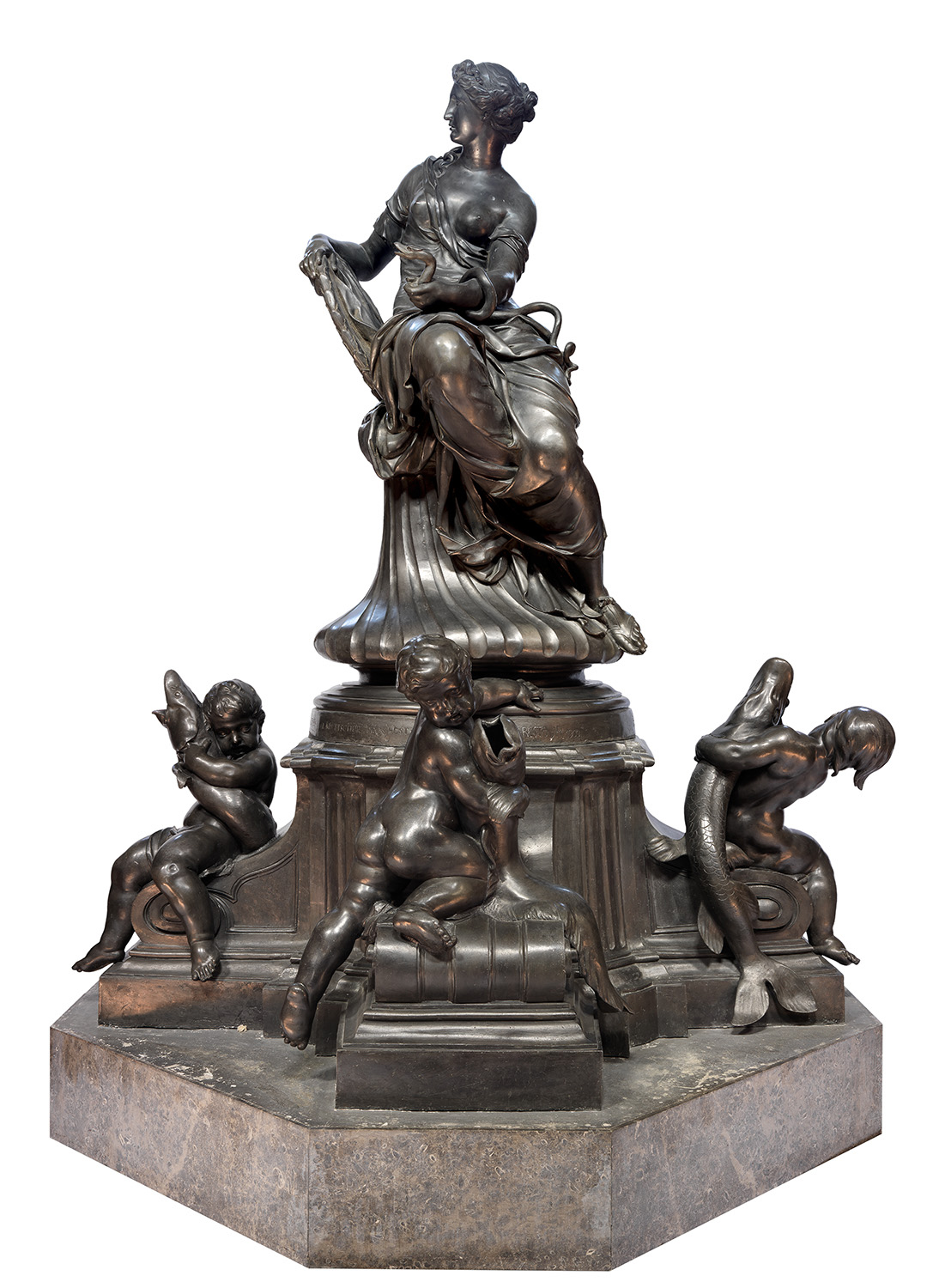
Georg Raphael Donner: Providentia. Main figure of the Mehlmarkt fountain (Neuer Markt), 1738
| Photo: Birgit and Peter Kainz, Wien Museum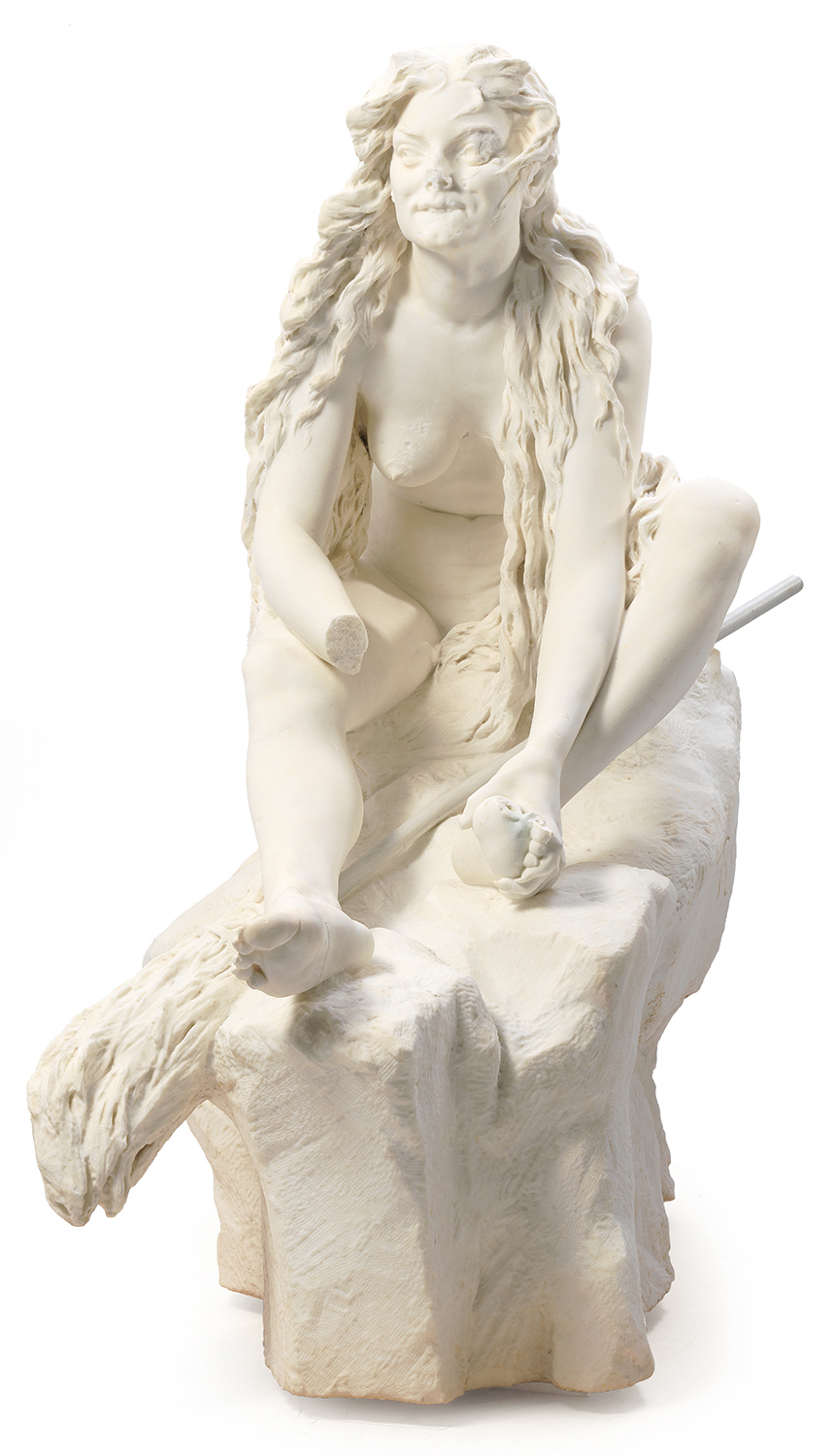
Teresa Feodorovna Ries: Witch at Walpurgis Night, 1895
| Photo: Birgit and Peter Kainz, Wien Museum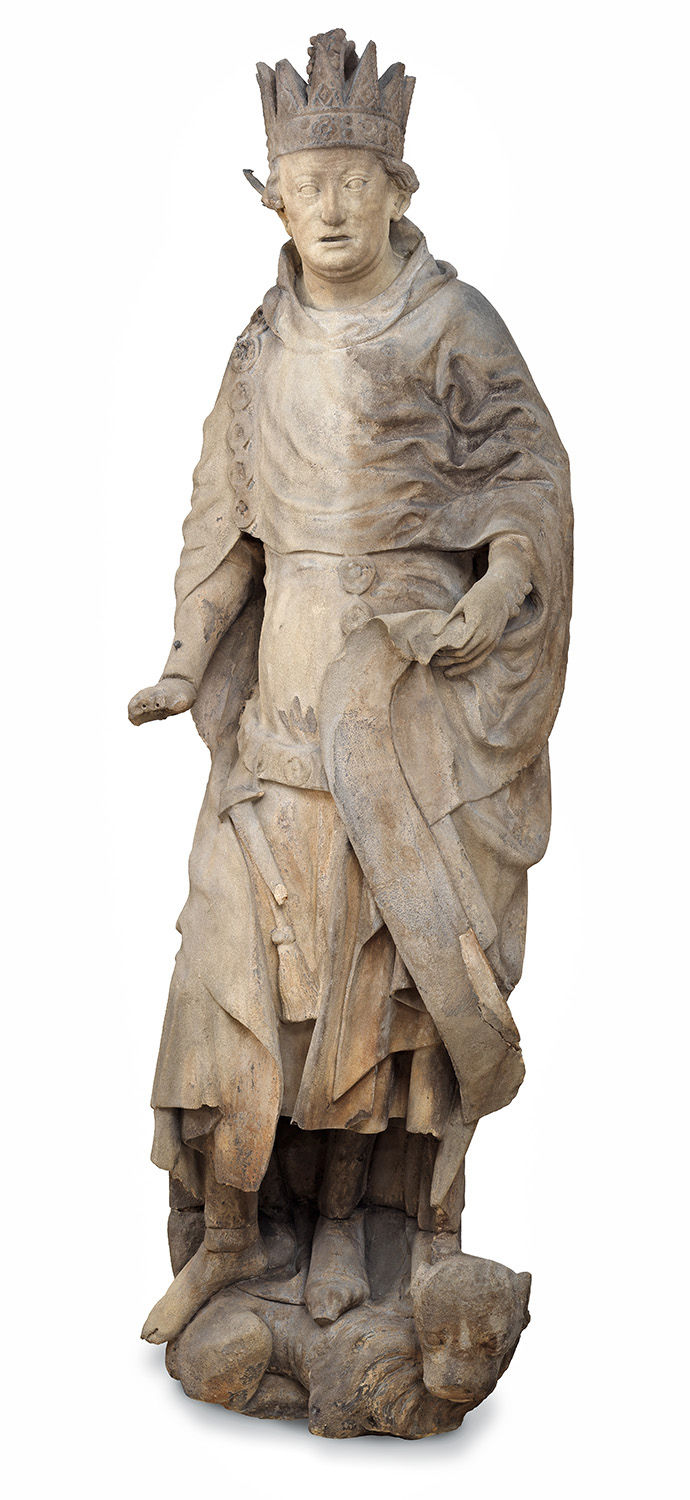
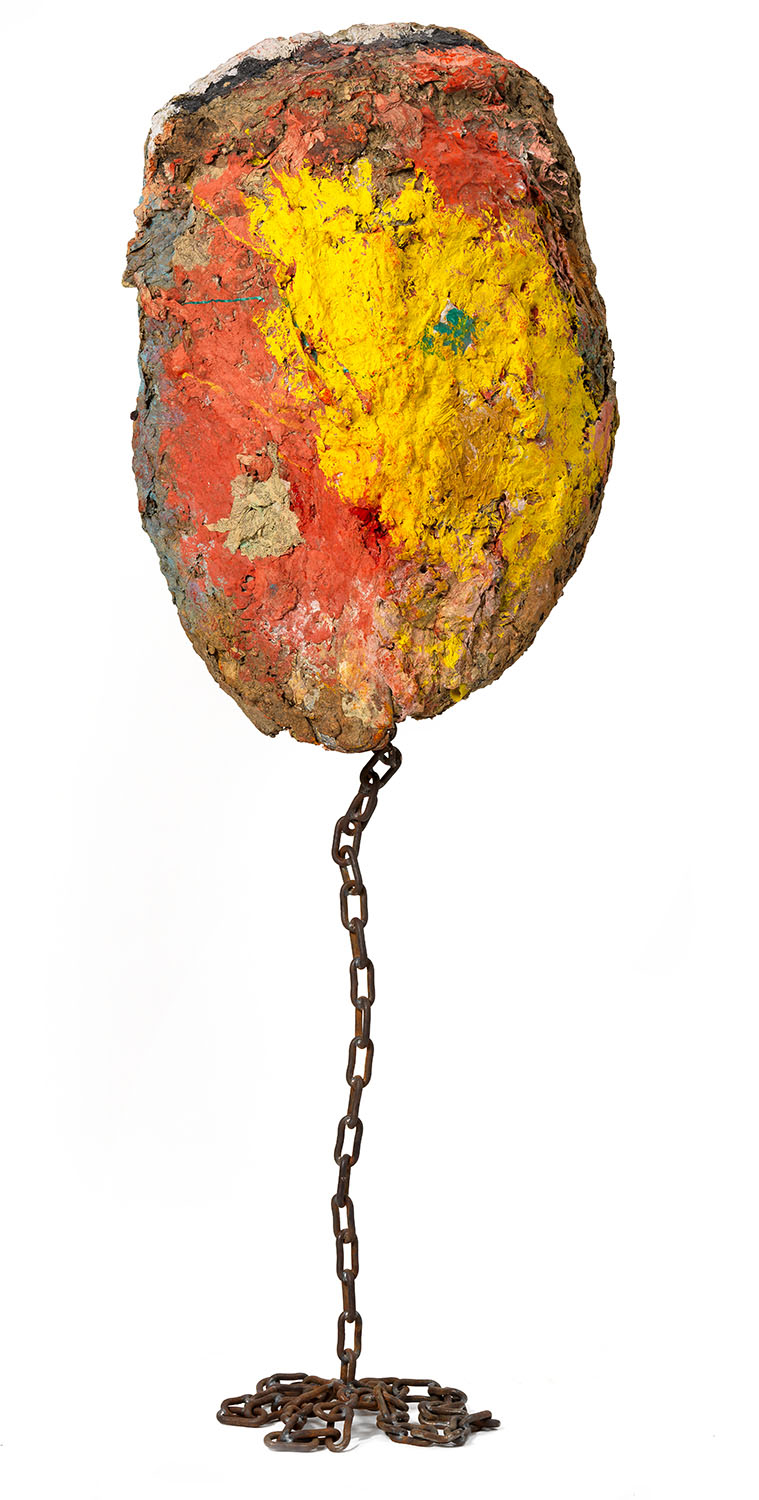
Franz West/Herbert Brandl: Untitled, 1988-1996
| Photo: Birgit and Peter Kainz, Wien Museum